
Rails to Retreats: Your Scenic Escape Begins
Mountains, Lakes, and Timberline Windows
Northern Wilderness Without the Car
Across the Atlantic to Storybook Hideaways
Choosing the Right Route for Soul-Stirring Views
Last-Mile Logistics Made Delightfully Simple
From Platform to Porch Without Stress
Message your host with arrival times, confirming station name, train number, and any expected delays. Many cabins offer pickups within defined windows, sometimes arriving with a thermos of tea and a spare blanket. Where shuttles run seasonally, prebook seats and ask about luggage capacity. For tiny depots, compile backup taxi contacts and walking directions. Arriving prepared turns dimming twilight into a welcoming prologue rather than a scramble, and your first fire-stoked evening becomes beautifully unhurried.
Baggage Tricks for Narrow Aisles and Forest Paths
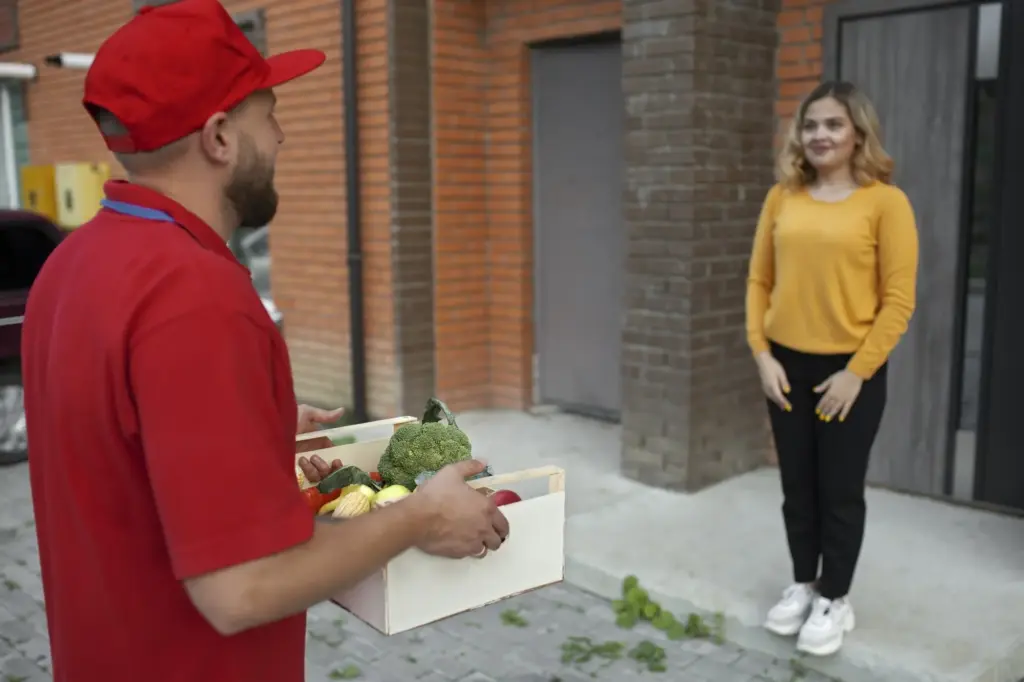
Pack into a soft-sided, shoulder-friendly duffel that squeezes into overhead racks and rides comfortably across gravel. Use compression cubes for layers, and keep a small daypack accessible for tickets, snacks, headlamp, and rain shell. Swap heavy boots for lightweight hikers you can wear onboard. Consider shipping bulky items or arranging grocery delivery to the station town. Minimalism pays off twice: you will glide through train doors gracefully and arrive with energy for that first starlit stroll.
Maps, Contacts, and Backup Plans
Download offline maps, pin the station, cabin, and any shuttle stops, and print a simple one-page sheet with host numbers, taxi services, and train info. If mountain reception fades, paper saves the day. Discuss contingencies with your host: where to meet if the platform is busy, how to manage late trains, and who holds the spare key. Calm preparations transform surprises into stories, and you will remember kindnesses instead of complications when the kettle finally whistles.
Seasonal Magic: Timing Your Escape
Autumn Foliage From a Window Seat
Deep Winter, Warm Hearth
Spring and Summer, Lakes and Light
Cabin Comforts: What Truly Matters Off the Grid
Heat, Light, and the Joy of Silence
Woodstoves charm, but ask about kindling, fire rules, and backup heat. Lanterns set mood, yet headlamps and spare batteries prevent midnight comedy routines. Sound carries differently in the woods; embrace quiet and let it embrace you back. Bring slippers for cold boards, a book you have promised to finish, and patience for kettle rituals. When a train horn echoes faintly across the valley at dusk, you will feel both rooted and wonderfully, gently in motion.
Kitchen Essentials for Simple Feasts
Confirm cookware, knives, spices, and coffee gear before shopping. Pack lightweight extras: a compact knife sharpener, favorite tea, salt flakes, and a tiny bottle of olive oil. Train snacks become charcuterie with a cutting board and local cheese. Ask the host about farm stands and bakeries near the station. One pot, one pan, and a porch become a restaurant when twilight gathers, loons call, and someone passes you a mug warmed by friendly pine-scented steam.
Safety, Wildlife, and Respectful Presence
Read cabin guides closely: fire regulations, water sources, and local wildlife notes. Store food properly and ask about bear lockers where relevant. Stick to established paths, leave gates as found, and keep voices low after dark. A small first-aid kit, whistle, and weather awareness create ease. Introduce yourself to neighbors and thank your host. Care deepens memory; you will carry the place’s kindness with you, long after rails hum you peacefully back toward home.

Itineraries That Flow Like the Rails
Sustainability, Budget, and Belonging
All Rights Reserved.