
Slow Doors, Open Skies
Welcome to our celebration of Car-Free Cottage Escapes, where journeys begin at station platforms, ferry slips, and village bus stops instead of parking lots. Discover how to arrive lighter, breathe deeper, and settle beside crackling fires, birdsong, and moonlit lanes, while supporting small communities, saving carbon, and collecting stories that start the moment you step off public transport and walk the final, unforgettable stretch to your front door.
Arrival Without Engines
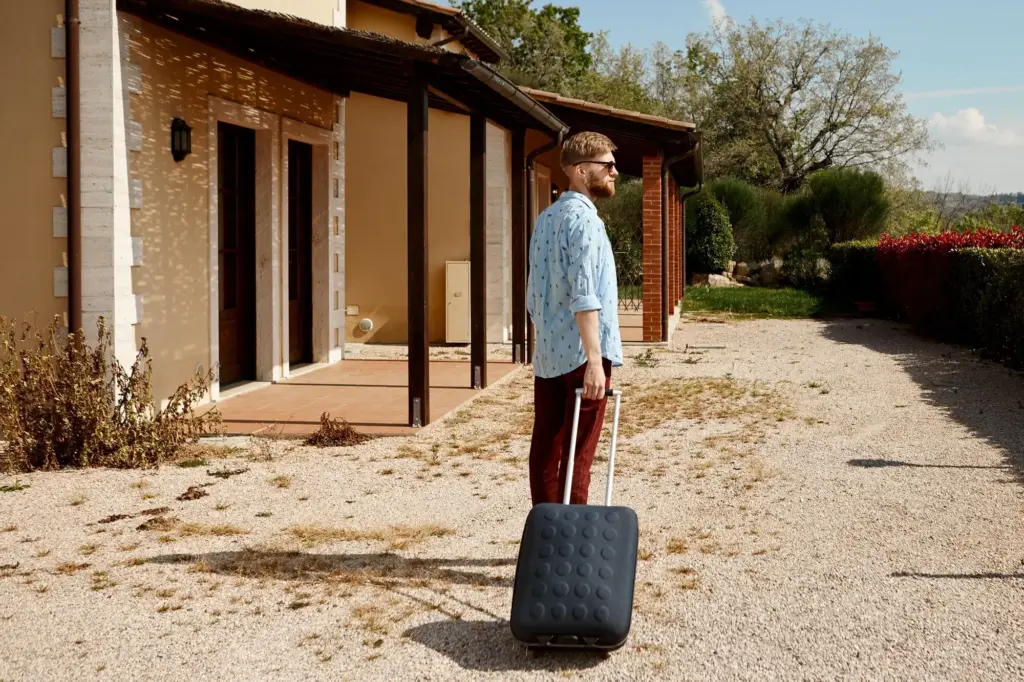
Trading road noise for hedgerows, you approach your hideaway at a human pace, feeling the slope of a lane and the friendliness of a postman’s wave. Planning the last mile becomes part of the magic: synchronizing a train timetable with a footpath, or a village bus with a short, lantern-lit stroll, turns logistics into a gentle prologue that slows the pulse and readies you for firelight, kettle steam, and stars.

Rail Lines to Quiet Lanes
A rural station can feel like a portal, its platform edged by wildflowers and distant hills. From there, waymarked paths and farm tracks lead naturally toward a cottage tucked between stone walls. Think of Scotland’s West Highland Line, where you step into wind and silence, or a Welsh halt beside sheep pastures, and discover that walking those last twenty minutes rewrites the entire rhythm of your arrival.

Ferries, Footpaths, and Friendly Schedules
Island cottages greet you with gulls and tangy air, the ferry’s engine fading behind you like a curtain falling on the city. Coordinating departures becomes playful, not stressful, when the pier café pours tea while you watch tides, check footpath markers, and time your crossing of meadow gates. The water journey itself loosens shoulders, making every step inland feel like opening paragraphs of a well-loved story.
Bikes and Bag Drop Solutions
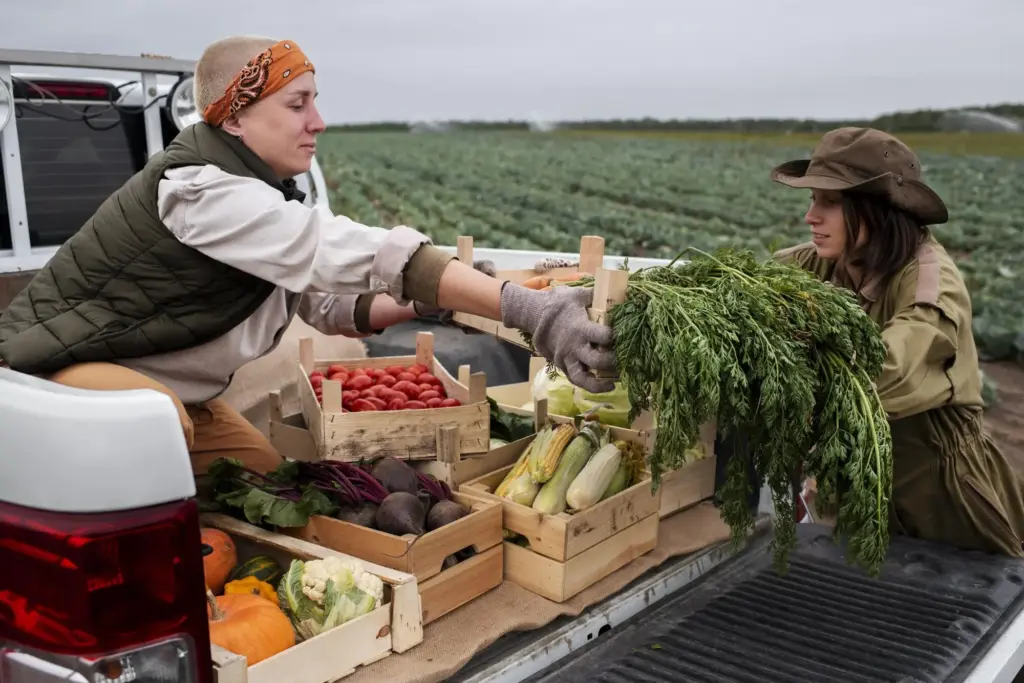
Cycling that final approach lets you coast past hedges buzzing with bees, panniers carrying supper and a borrowed paperback. Where hills or muddy tracks intrude, many hosts offer bag transfers or share local drivers’ numbers. By separating you from luggage weight and schedules, these small kindnesses keep freedom intact, ensuring you arrive not exhausted, but exhilarated, ready to light candles and listen to owls rehearse the night.
Packing Light, Living Large

The Four-Bag Rule
Keep it simple: one backpack for clothes and layers, one soft tote for food and breakables, one sling for documents, water, and maps, plus a compressible bag for firewood runs or market spoils. This setup streamlines platforms, narrow footbridges, and gate-stiles, while preserving that delicious readiness to wander. When everything nests neatly, you move like water, arriving unflustered and perfectly equipped for rainy walks and candlelit suppers.
Groceries Along the Way
Buy fresh ingredients where journey meets appetite: farm stalls beside bus stops, station delis packed with pies, or cooperatives proud of their local honey. Many small shops will hold preorders if you call ahead, transforming logistics into neighborly conversation. The result is a kitchen counter bright with regional color, your pack lighter, and a supper that tastes unmistakably of place, season, and the laughter shared at checkout.
Cozy Gear That Earns Its Keep
Choose layers that multitask: a merino sweater that dries fast by the stove, a shell that shrugs off squalls, and socks that invite evening board games. Add a compact headlamp, a sturdy power bank, and a paperback map for when batteries fade. These aren’t luxuries; they are small assurances that let you welcome sudden rambles, dusk arrivals, and spontaneous picnics with the calm cheerfulness of an experienced wanderer.
Counting the Carbon You Didn’t Burn
A typical regional train ride can emit around a quarter of the carbon per passenger kilometer compared with a lone driver, and walking the last mile reduces that figure to near zero. Multiply by weekends across a year, and you have tangible savings. Better still, the time spent gazing from a window replaces traffic tension with landscape literacy, turning travel hours into quiet lessons in rivers, ridgelines, and fields.
Homes Heated by Stories
Many cottages wear their history in the grain of beams and the scent of woodsmoke. Insulation might be sheep’s wool, heat supplied by efficient stoves, and electricity topped by discreet solar panels. Hosts often recount how a grandparent replastered lime walls or restored sash windows. When you arrive without a car, that narrative of care feels coherent; stewardship becomes not an abstract idea, but the warmth in your hands.
Give Back Before You Leave
Carry a small bag for a ten-minute litter sweep along your lane, sign the footpath trust’s guestbook with a donation, and leave practical notes for the next guest about bus stops and waymarks. These gestures cost little yet anchor your visit to the place. Reciprocity travels well, and when your train pulls away, you’ll know the hillside kept something of you besides footprints: gratitude distilled into helpful traces.
Itineraries You Can Actually Follow
Plans that respect timetables become pleasures instead of puzzles. Anchor your days to reliable trains or well-loved bus routes, then embrace the elastic space between. Instead of squeezing sights into car-bound sprints, you gather moments: bakery openings, bird choruses, muddy-boot porches, and sunsets from a stile. The rhythm holds: arrival, amble, kettle, read, repeat, with enough structure to relax and enough spontaneity to feel wonderfully alive.
Safety, Seasons, and Serendipity
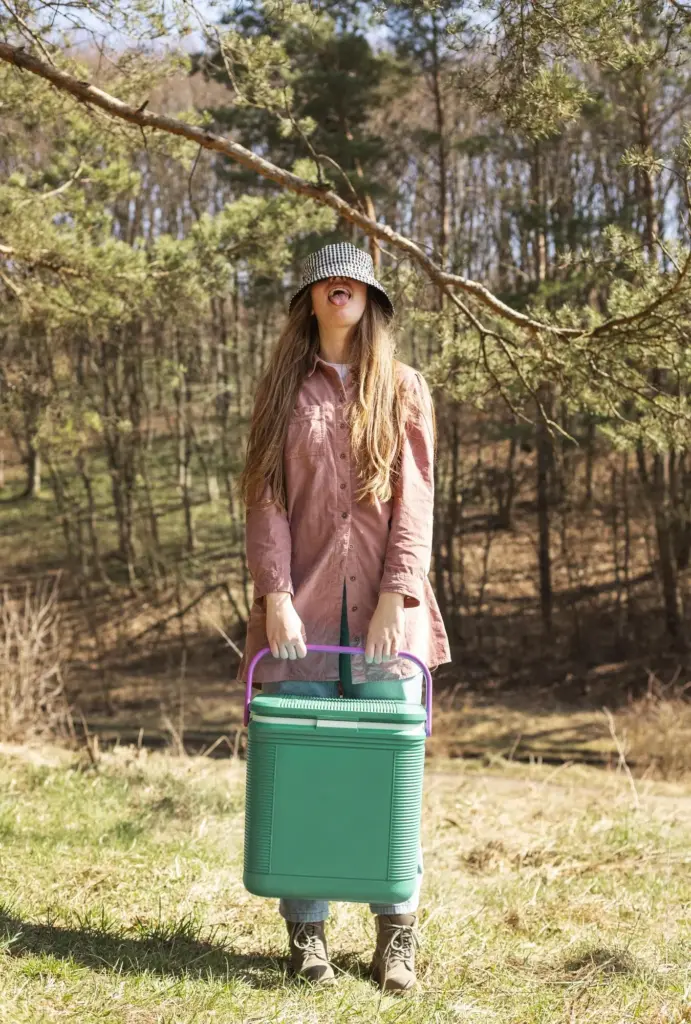
Gentle adventures still deserve good margins. Rural routes darken quickly; weather insists on its own plans; maps lose signal under oak canopies. Preparing wisely—by over-communicating with hosts, packing layers, and saving offline navigation—turns unknowns into delightful surprises. Then luck shows up: a neighbor offers apples, a postie shares shortcuts, and the sky clears exactly when your boots reach the ridge, reminding you why patience belongs in every bag.
When Darkness Falls Before You Arrive
Carry a bright, hands-free lamp, reflective straps for your pack, and a fully charged phone in a waterproof sleeve. Tell your host your exact train or bus, and text before you leave the stop. Move steadily, not quickly, pausing at junctions to confirm waymarks. Darkness can be companionable when managed kindly, turning hedges into silhouettes, windows into stars, and your cottage key into the night’s most satisfying sound.
Weather Wisdom for Walk-in Getaways
Check two forecasts, then pack for the more stubborn one. Favor breathable layers, a brimmed cap for stubborn drizzle, and gloves that still let you handle zippers and maps. Stormy windows can be glorious when there is soup, wool, and a book inside. Respect swollen streams, slippery stiles, and early nightfall, adjusting plans without regret; the kettle and board game were always waiting to host your afternoon.
Digital Bread Crumbs That Respect Your Peace
Download offline maps, mark the bus stop, and star the cottage plus two nearby landmarks. Share your route with a friend who understands not to ping you every hour. Airplane mode preserves batteries and quiet; a compact charger preserves courage. When you finally switch the screen off, you rediscover birds, breezes, and your own footfall cadence, which is exactly the soundtrack a car-free arrival deserves.

Conversations at the Hearth
The best stories rise with the steam from your mug. Listen for how neighbors remember the mill closing, the bridge rebuilding, or last summer’s kingfisher visiting the ford. Share your route, your bakery discovery, and your plans for tomorrow’s lane. Then tell us, too: reply with your favorite no-car cottages, lessons learned, and routes mastered, so this circle widens, warming more travelers around its bright, honest fire.
All Rights Reserved.