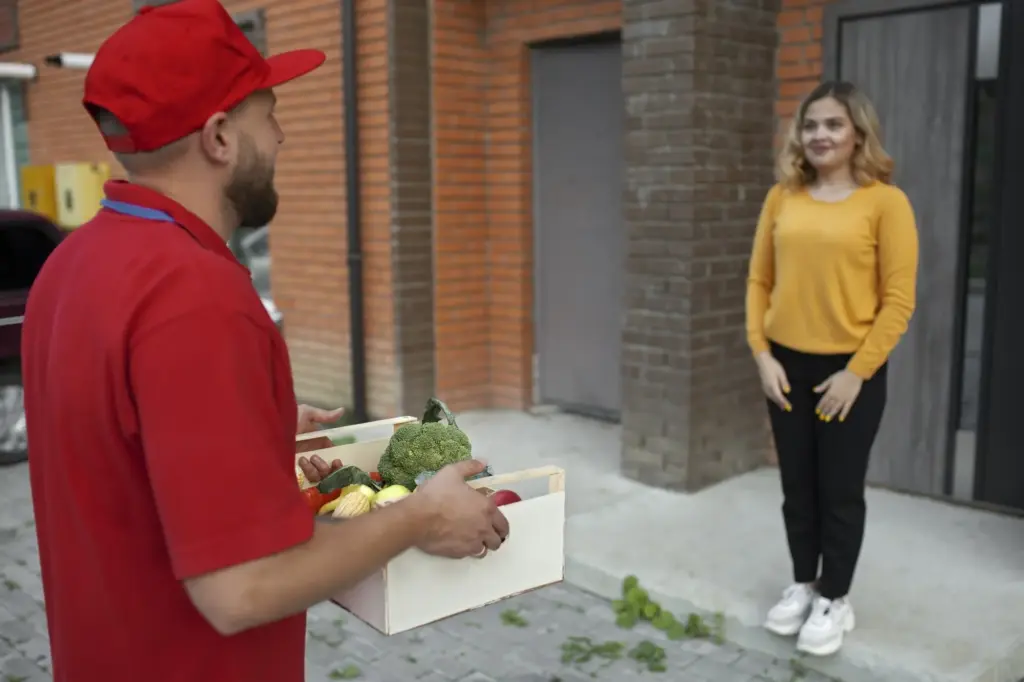
No-Car Gateways to Secluded Cottages

In this guide, we explore how to reach remote cottages by bus and shuttle, unlocking last‑mile solutions without a car. Expect practical planning tactics, on‑demand tricks, packing strategies, and friendly etiquette that keep your escape low‑stress, affordable, and gloriously scenic. Share your hard‑won rural routes in the comments and subscribe for fresh, field‑tested updates before your next escape.

Map tools that work beyond reception

Blend Google Maps with OpenStreetMap layers and the Transit app, but always download offline areas. Rural signs can be faded or missing, so mark GPS coordinates, print bus PDFs, and star trailheads or bridges that shorten the final approach without trespassing.

Cutting through timetable confusion

Rural timetables often split by school days, summer, and holidays, and many routes run only once or twice. Read footnotes, note request symbols, and call to verify last departures, because missing the penultimate bus can strand you miles from warmth.

Mastering Rural Buses and Shuttles

Understand how hail‑and‑ride zones, request stops, and seasonal shuttles actually behave on quiet roads. Learn the magic words dispatchers use, when to flag with a firm arm, and how to pre‑book demand‑responsive vans that bridge the quietest, loveliest kilometers.

Conquering the Last Mile

The final stretch defines comfort and safety. Mix walking paths, permissive lanes, and low‑impact shortcuts, and prepare lightweight options that buses accept. Balance daylight, weather, and road shoulders, and keep a friendly backup through hosts, neighbors, or a prearranged village taxi.

Gear, Weather, and Luggage Tactics

Light loads move faster and safer across gravel verges and muddy gates. Favor modular layers, waterproof sacks, and a collapsible tote for groceries. Plan for rainbursts, cold snaps, and heat shimmer so buses, shuttles, and steps feel manageable rather than punishing.

Pack light but right

Aim for under eight kilograms including food. Choose trail shoes, compact puffer, merino base, and a tiny first‑aid pouch. Decant toiletries, wrap clothes in dry bags, and carry elastic straps to lash odd bundles if market finds tempt you on arrival.

Weatherproof your route and body

Check hourly radar, wind gusts, and sunset time. Stash a poncho, hat brim, and gloves year‑round. In heat, freeze a water bottle; in snow, pack microspikes. Always protect map and ticket in a zip pocket, because sudden showers foul ink.

Luggage hacks for transfers

Use a rolling duffel with backpack straps, then clip a daypack on the front for balance. Color‑code pouches so tickets, power bank, and cottage instructions surface instantly, keeping platform leaps calm and minimizing awkward aisle dances on short buses.

Coordination with Hosts and Communities
A quick, friendly message often unlocks the easiest final link. Ask about preferred stops, pickup windows, and local drivers, and share your live location when coverage allows. Your courtesy builds trust, while tip‑offs about gates or dogs prevent awkward driveway surprises.

Ask for a pickup without overstepping
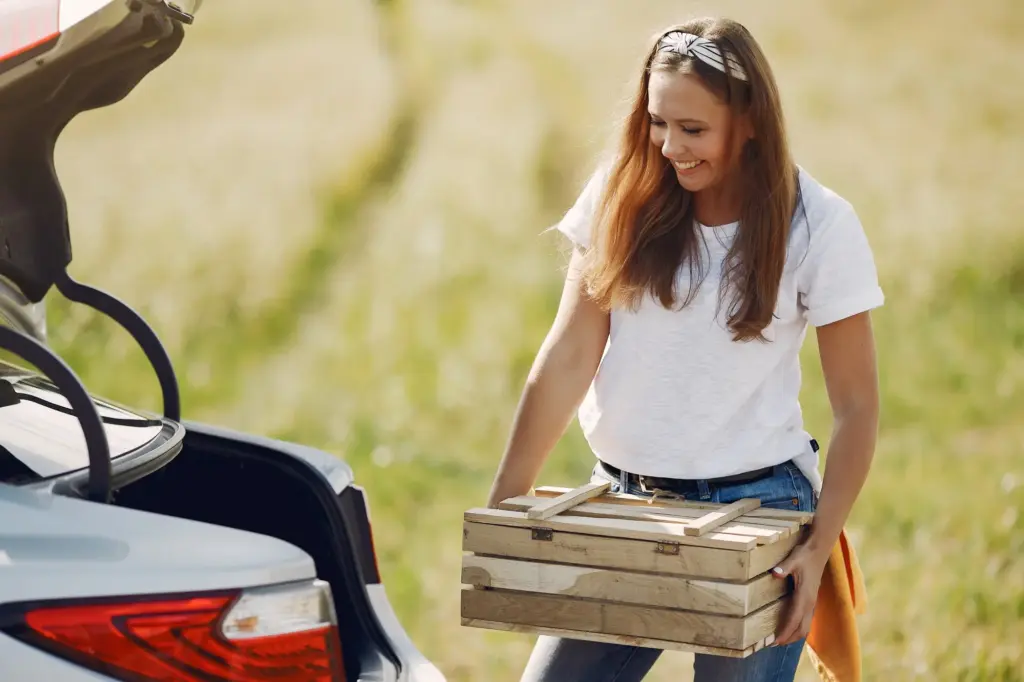
Offer to meet at a main road or village green, and keep luggage tidy for quick loading. Confirm return arrangements immediately. Many hosts happily swing by if you communicate clearly and appreciate fuel costs, timing limits, and rural chores waiting at home.

Wayfinding with what3words and landmarks

Share a what3words square, bus stop ID, and a photo of the gate or mailbox. Rural numbering can be eccentric. Agree a safe pullover spot, then send a final text five minutes out so everyone waits less and idles fewer fumes.

Budget, Safety, and Backup Plans

Keep costs predictable and resilience high. Research off‑peak fares, county passes, and transfer rules, then sketch contingencies for weather, missed connections, or closures. A little foresight turns potential stress into flexible options that protect time, money, and the weekend mood. Share your smartest bailout tactics in a comment so travelers after you start with a stronger hand.
Telisentokentoluma
Privacy Overview

This website uses cookies so that we can provide you with the best user experience possible. Cookie information is stored in your browser and performs functions such as recognising you when you return to our website and helping our team to understand which sections of the website you find most interesting and useful.